
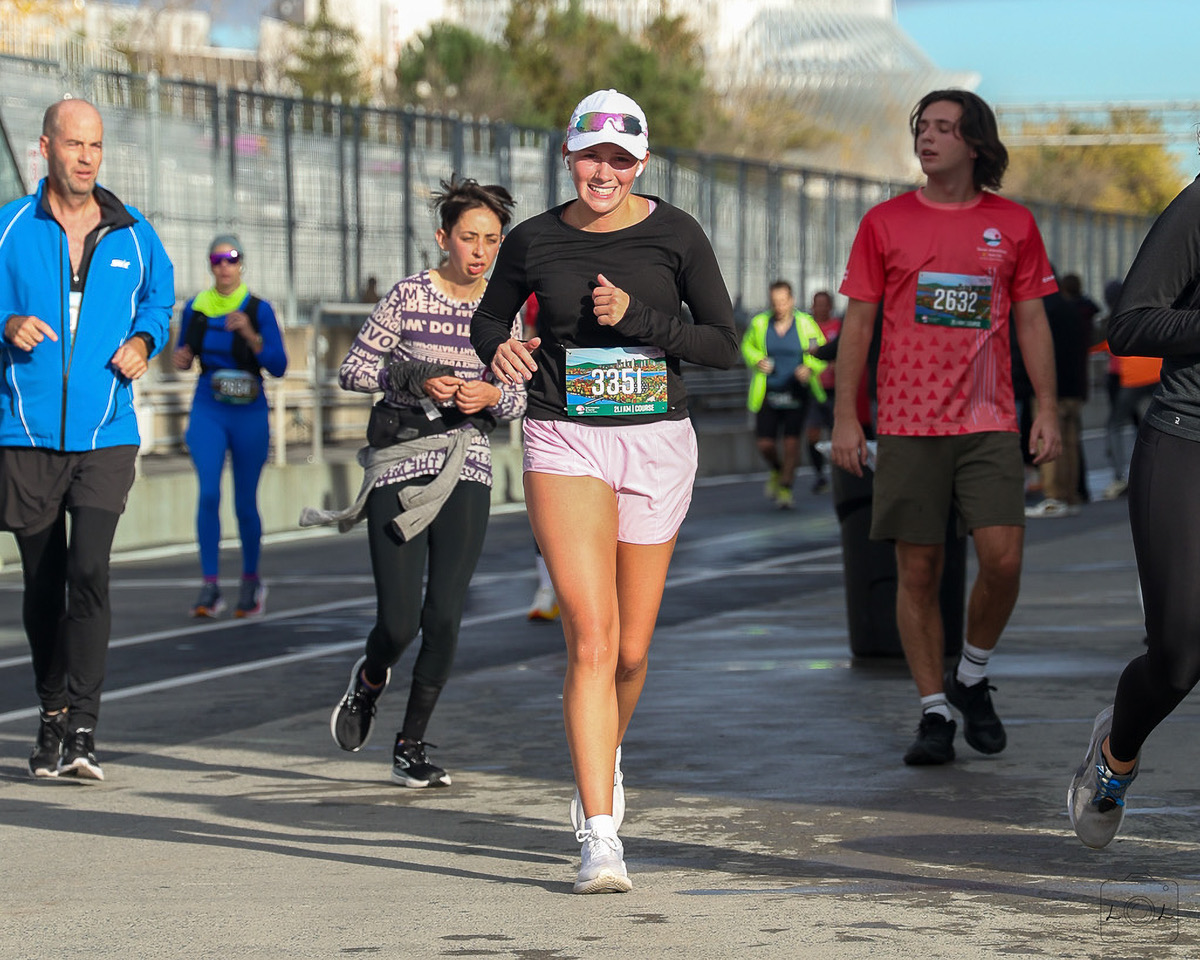
The crisp October air, the roar of the crowds echoing through different boroughs, and that unparalleled surge of adrenaline as you head toward the final stretch. Running a marathon in Montreal is more than just a race; it’s a city-wide celebration of endurance, community, and personal triumph.
What is the Montreal Running Race Season?
Montreal boasts a vibrant road running culture, anchoring premier events that attract thousands of runners from across the province and around the globe. While smaller community events happen throughout the year, the late-spring, summer, and early-autumn months represent the crown jewel of local running, offering everything from flat coastal routes to historic urban tours. The paths take runners past iconic locations, winding through the historic avenues of Old Montreal, the vibrant murals of the Plateau-Mont-Royal, and the beautiful park expanses the city is known for.
Because the local racing calendar features varying distances—including 1K, 5K, 10K, Half-Marathons (21.1K), and Full Marathons (42.2K)—the sport remains highly accessible to runners of all experience levels. However, navigating the city’s terrain, enduring the potential for high humidity during your heaviest training blocks, and managing the sheer physical toll of long-distance running mean that dedicated preparation is non-negotiable.
Major Marathons and Distance Events in the Greater Montreal Area
When planning your season, it helps to understand how the calendar maps out across the region. Several marquee long-distance events take place right on the island or just a short commute away, offering completely different course profiles and training timelines:
- The Marathon de Longueuil: Taking place in mid-May just across the river, this event kicks off the warm-weather racing season with a highly energetic and festive atmosphere. It features everything from a 1K up to a full 42.2K marathon, making it a favorite for runners looking to test their spring fitness baseline.
- The Marathon Beneva de Montréal: Held in October, this is the massive, flagship urban race of the city. Gathering tens of thousands of participants every year, its multi-borough course provides the ultimate tour of Montreal’s concrete streets and bridge connections.
- The BougeBouge Mont-Royal Marathon: For those looking for a true localized challenge, this specialized late-season race takes place in November. Loops around the iconic chalet and natural pathways of the mountain force runners to handle steep elevation profiles and rugged conditions.
- The Half-Marathon au Parc Jean-Drapeau: Also taking place in late October, this fast, closed-loop event on the smooth pavement of Île Sainte-Hélène allows distance runners to chase personal records surrounded by striking autumn colors.
Marathon Strength Training: Why You Need It!
Many runners make the mistake of thinking that a successful Montreal marathon training plan simply means running as much as possible. This highly repetitive approach often leads to burnout, frustrating fitness plateaus, or debilitating injuries. Here is why working with a local functional coach to build structural joint resilience is the smartest investment you can make for your race.
1. Preparing for Specific Course Terrain, Bridges, and Urban Climbs
Downloading a generic online marathon template won’t account for your unique biomechanics or the specific demands of local courses. Running in Montreal forces athletes to handle deceptive bridge inclines, repetitive flat-ground pavement pounding, and tough elevation changes scattered throughout the municipal routes. A personal trainer builds a periodized program that strengthens the foundational stabilizers you need to maintain proper posture and pelvic alignment when fatigue sets in on those city slopes.
2. Strategic Injury Prevention and Biomechanical Corrections
Runner’s knee, shin splints, IT band syndrome, and plantar fasciitis are common ailments that can completely derail your marathon dreams weeks before race day. A skilled trainer will assess your unique running gait, posture, and muscle imbalances. By identifying mechanical weaknesses early on, your coach can implement corrective pre-hab exercises to optimize your running form, vastly reducing your risk of injury as your weekly mileage increases over the summer.
3. How to Avoid Shin Splints on Asphalt: The Ultimate Pre-Hab Circuit
Running is a repetitive forward motion that heavily taxes the lower body while often neglecting lateral stabilizing muscles. A stronger musculoskeletal system absorbs the impact of local pavement better, improves your running economy, and gives you that powerful kick you need for the final kilometers.
To bridge the gap between running and lifting, insert these three non-negotiable exercises into your weekly routine to build bulletproof joints:
- Single-Leg Romanian Deadlifts (3 sets of 8 per side): Builds hamstring and glute power while training the ankle and foot stability required to navigate uneven city pavement and tight turns.
- Weighted Standing Calf Raises (3 sets of 15 with a 2-second pause at peak contraction): Builds muscular thickness and load tolerance in the Achilles tendon and soleus muscle, which is the exact secret to how to avoid shin splints on asphalt.
- Side Planks with Leg Lifts (3 sets of 30 seconds per side): Fires up the gluteus medius. A weak gluteus medius causes the knee to cave inward while running, directly triggering IT band friction and runner’s knee.
Why a Sample Circuit is Only Step One
While these three exercises are incredible for building foundational joint resilience, a generic circuit cannot account for your specific running gait, past injury history, or the fluctuating mileage of your weekly running log. Doing the right exercises at the wrong phase of your training can actually induce more cumulative fatigue right before your crucial weekend long runs.
To truly protect your joints and maximize your pacing strategy, your strength program needs to be dynamically adjusted to match your exact running volume.
The Spectator Experience: Where Friends and Family Can Support You
A major element of getting through a grueling endurance event is the psychological boost provided by cheering crowds. Understanding the layout of the city and coordinating with your support crew ahead of time can significantly lower your stress levels on race morning. Since your family and friends will be traveling across different boroughs, knowing the best vantage points is essential.
The Plateau-Mont-Royal is widely regarded as one of the most high-energy areas for local races. The tight streets and local cafes bring out dense crowds, making it the perfect spot for a mid-race pick-me-up. Another exceptional area for spectators is near the historic landmarks of Old Montreal, where the roads allow families to spot their runners easily before the final push toward the eastern or northern ends of the city.
For the ultimate finish line experience, advise your supporters to head straight toward the main tracking zones near the designated race village or stadium complex. Having your support team clustered at the final kilometer provides a massive psychological anchor when your legs are dealing with peak muscle fatigue. Planning these coordination zones early ensures you can focus entirely on your physical performance rather than race-day logistics.
Navigating Montreal Autumn Weather: What to Wear on Race Morning
Weather in Quebec during the transition into autumn is notoriously unpredictable. Preparing for a race in September or October means you might experience crisp morning chills or unexpected midday sun. Finding the correct balance with your gear is crucial for maintaining an optimal core temperature throughout your event.
Early morning alignment on the starting grid can involve standing still for up to an hour in single-digit temperatures. Successful athletes frequently use old layer clothing that can be discarded comfortably after the first few kilometers once the body warms up. Choosing moisture-wicking fabrics rather than cotton is a baseline requirement to ensure that early morning sweat does not cause chills later in the race.
As the sun rises over the city, tracking your core temperature becomes a major factor in performance longevity. Sunglasses, lightweight caps, and anti-chafing formulas should be tested thoroughly during your late-summer training runs. Managing your clothing logistics effectively prevents early-onset fatigue and allows your musculoskeletal system to work efficiently without fighting temperature extremes.
Key Phases of Your Montreal Marathon Training Plan
When you map out your preparation with a fitness coach, your strategy should be broken down into specific, manageable phases:
Phase 1: Base Building (June – July)
Before you can run far, you need to be able to run efficiently. This phase focuses on building aerobic capacity with easy, steady-state runs, paired with heavy resistance lifting to prepare your joints and tendons for the upcoming workload.
Phase 2: Increasing Mileage and Intensity (August – September)
This is where the heavy work happens. Your trainer will slowly increase your weekly long-run distance while introducing speed work, tempo runs, and hill repeats. Strength training will shift toward explosive, unilateral movements, maintaining core power, and keeping muscles supple through focused mobility work.
Phase 3: The Taper (Late September – Race Week)
In the 2 to 3 weeks leading up to your specific race weekend, your mileage will decrease to allow your muscles to recover and rebuild. Strength training scales back to light weights and structural mobility, ensuring you step up to the starting line with fresh legs and peak energy reserves.
The Best Places to Train in Montreal
Utilizing the city’s diverse outdoor spaces makes marathon training highly effective and engaging. Here are a few spots we highly recommend incorporating into your routine to match the distinct demands of local race courses:
- The Lachine Canal: Perfect for long, uninterrupted, flat runs where you can dial in your target race pace.
- Mount Royal Park: The ultimate location for hill repeats and building explosive leg strength. Running up the Camillien-Houde switchbacks is a true rite of passage for Montreal runners.
- Parc Jean-Drapeau: Get a feel for race day by training on the smooth, fast pavement of the Circuit Gilles Villeneuve. It is ideal for tempo workouts, speed training, and testing your race-day gear.
Frequently Asked Questions About Montreal Marathon Preparation
Can I do my strength training and my long endurance runs on the same day?
Managing your weekly calendar is an art form that depends heavily on your current recovery capacity and professional schedule. Generally, it is best to separate high-intensity lifting sessions from your primary long endurance runs by at least twenty-four hours to allow for complete glycogen replenishment. However, if your schedule forces you to combine them, performing your running first keeps your cardiovascular metrics specific, while working with a professional ensures your lifting form does not degrade due to pre-existing fatigue.
How do I differentiate between normal marathon training soreness and a brewing overuse injury?
Muscular fatigue from a progressive increase in mileage is completely normal and typically dissolves within forty-eight hours of proper rest and nutrition. An overuse injury, such as a localized stress fracture or severe tendonitis, usually presents as a sharp, asymmetrical pain that worsens as you continue to move. If you notice a persistent ache that alters your natural running mechanics or hurts when applying direct pressure to a bone, it is an immediate sign to pause and consult an expert for a movement assessment.
What should my physical routine look like during the week of my marathon?
Race week is entirely about preservation, mobility, and structural alignment rather than building new fitness. Your heavy lifting should be completely phased out by this point, replacing intense gym sessions with light active recovery, focused stretching, and core stability drills. Keeping your legs moving without adding metabolic stress ensures you store maximum energy for the actual course demands on race morning.
Ready to Lace Up? Let’s Get to Work!
Conquering a local marathon is a monumental challenge, but crossing that finish line is an experience you will cherish for a lifetime. Don’t leave your race day to chance. By integrating professional strength conditioning, targeted joint pre-hab, and customized coaching into your routine, you will transform yourself into a stronger, faster, and more resilient runner.
Are you ready to crush your marathon goals? Contact our personal trainer Montreal running specialists today to schedule your initial movement assessment. Together, we will build the perfect roadmap to get you from your first training run to your brand new personal record on race day.